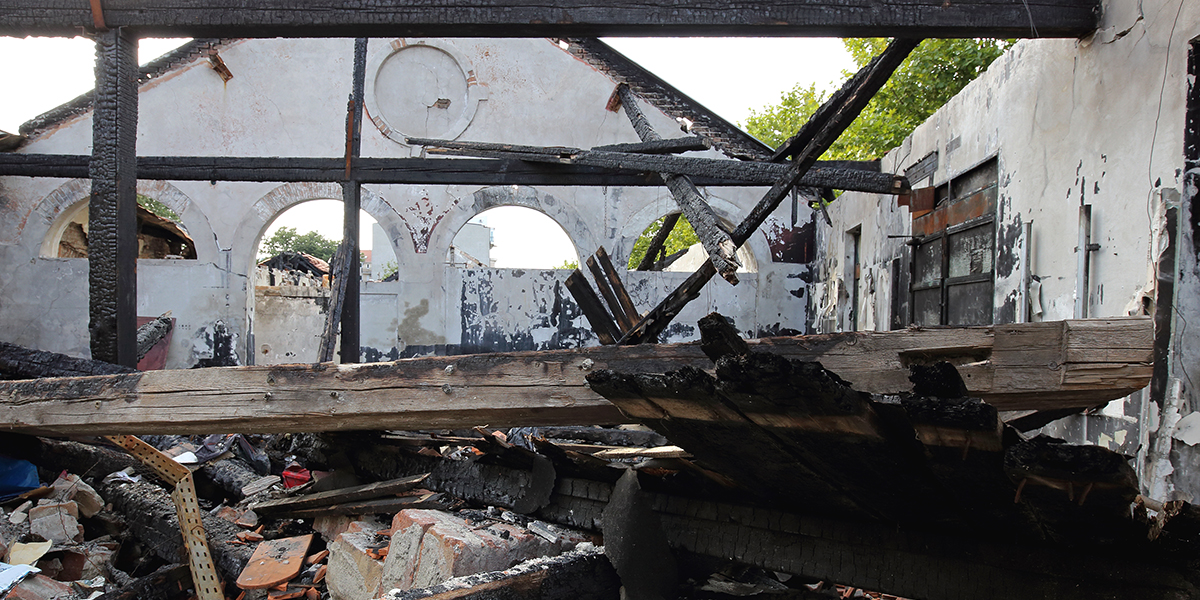
Most homeowners and commercial property owners don’t realize what their policy doesn’t cover until after a fire, flood, or storm turns their life upside down. By then, you’re stressed, displaced, and trying to make sense of confusing paperwork while an insurance adjuster who works for the insurance company, not you, tells you what they’re willing to pay.
This guide walks you through the key questions to ask your insurance agent now, so you’re not caught off guard later. And if a loss does happen? Johnson & Johnson Consulting is here to help YOU, not your insurance company, navigate the claims process and pursue the settlement you deserve.
What Do I Actually Have?
Before you can understand what’s covered, you need to know exactly what policy you have. This sounds simple, but many property owners have never actually read their full policy. They’ve seen the declarations page and assume the rest is standard.
Start by asking your agent a few key questions:
- What type of policy do I have?
- For homeowners: HO-3, HO-5, etc.
- For commercial: BOP, CPP, etc.
- What types of damage are covered?
- Fire, wind, water, theft, vandalism, get specifics.
- What are my coverage limits for?
- The building or home itself
- Contents (your belongings or business equipment)
- Temporary living expenses (homeowners)
- Lost business income (commercial)
- What are my sublimits?
- When do I need to update my appraisals if I separate policy for something like jewelry or fine arts?
These details matter. If your coverage limits are too low, you’ll pay the difference out of pocket, even if the damage is covered.
Pro tip: Ask for a copy of your full policy, including all endorsements and exclusions. The declarations page alone doesn’t tell the whole story.
What Will NOT Be Covered? (Common Surprise Gaps)
Many property owners assume they’re “fully covered,” only to discover certain types of damage are excluded or have strict limits. This is where claims get tricky and where policyholders often feel blindsided.
For Both Commercial and Homeowners, Ask About:
- Water damage: What’s covered (burst pipe) vs. what’s not (long-term leaks, sewer backup, flooding)?
- Mold: Is it covered, and is there a sublimit?
- Roof damage: Are there age restrictions or special claim rules?
- Flood: Do I need a separate flood policy?
For Commercial Property Owners, Also Ask:
- Tenant improvements: What is the tenant’s insurable interest versus the landlord? What am I responsible for? Can you review my lease agreement alongside the policy to make sure I am adequately insured?
- Equipment breakdown: Is HVAC, refrigeration, or machinery covered?
- Outdoor property: Are signs, fencing, and exterior items included?
- Inventory valuation: Is it replacement cost or actual cash value?
Don’t assume anything is covered. Ask your agent specifically and get answers in writing if possible.
For Homeowners:
Notify your insurance broker or carrier when completing a remodel, addition, or significant home improvement project. If the value or replacement cost of your home increases, your coverage limits may need to be adjusted accordingly.
Failing to update your policy could leave you underinsured in the event of a future loss or result in denied coverage for a new area or item that was never added to your policy.
Don’t assume anything is covered. Ask your agent specifically and get answers in writing if possible.
What’s My Deductible and Are There Surprises?
Your deductible is the amount you pay out of pocket before insurance kicks in. Most people know they have a deductible, but many don’t realize it can vary based on the type of damage.
Ask your agent:
- What is my standard deductible?
- Do I have a percentage-based deductible for wind, hail, or hurricanes?
A percentage-based deductible for storm damage can be significantly higher than your standard flat deductible. This difference often catches homeowners and commercial property owners off guard when it’s time to make repairs.
When Your Deductible Disappears
Many policyholders don’t realize that when a covered loss exceeds your available policy limits, your deductible is absorbed, it essentially vanishes and isn’t deducted from your payout. This can make a significant difference, especially with substantial deductibles. We frequently encounter adjusters unfamiliar with this concept, so it’s worth addressing proactively with your insurer.
How Will My Claim Be Paid?
The way your claim is paid can significantly impact your out-of-pocket costs. Before you need to file, ask your agent:
- Do you pay replacement cost or actual cash value?
- Will depreciation be held back until repairs are complete?
- What do I need to submit to get the withheld funds?
- If more damage is found during repairs, how do supplements work?
Replacement Cost vs. Actual Cash Value
Replacement cost pays to replace damaged items with new ones of similar quality. Actual cash value deducts depreciation, meaning older items pay out less. That ten-year-old roof? Under ACV, you'll only receive a fraction of what a new one costs.
The Depreciation Holdback
Even with replacement cost coverage, most insurers hold back depreciation until repairs are complete and you submit receipts. This is why your first check is often smaller than expected.
When Repairs Reveal More Damage
Hidden damage behind walls or under floors is common. When contractors discover additional problems, you'll need to submit a supplement to your claim. Understanding this process beforehand prevents delays.
Johnson & Johnson Consulting helps clients document damage thoroughly, prepare accurate estimates, and submit supplemental claims when needed. We ensure you receive what your policy allows, not just what’s initially offered.
If I Have a Loss, What Will You Need from Me?
After a loss, you’ll be asked to prove what you owned and what it was worth. This is much easier if you prepare now.
Ask your agent:
- What photos, receipts, or records should I keep?
- Should I create a home or business inventory? What format works best?
- What are the deadlines for reporting a loss, submitting inventories, and filing a proof of loss?
Simple steps you can take today:
- Take a video walkthrough of your home or business once a year. Open closets, cabinets, and storage areas. Narrate what you see. Store it in the cloud (Google Drive, iCloud, Dropbox).
- Save receipts for big purchases like appliances, electronics, furniture, and equipment.
- For businesses: Keep organized sales records, payroll documentation, and tax returns. These are critical for proving lost income claims.
Missing documentation is one of the biggest reasons claims get underpaid. When you work with Johnson & Johnson Consulting, we help you organize and present your documentation in a way that supports your claim, even if you didn’t have everything perfectly prepared before the loss.
Who Actually Handles My Claim?
Public adjusters are licensed professionals who represent policyholders, not insurance companies. They document damage thoroughly, including what’s hidden behind walls or under floors, interpret policy language, prepare detailed claims with estimates and inventories, and negotiate with the insurance company on your behalf. They also understand the insurance landscape and the Department of Insurance regulations that insurers must adhere to.
Johnson & Johnson Consulting is a public adjusting firm that works for homeowners and commercial property owners. When you hire us, we handle the back-and-forth with your insurance company so you can focus on your family or business. We help you understand your coverage and ensure nothing is overlooked. When the insurance company pushes back, we push back too with documentation and policy language to support your claim.